Invisible and Broke: What Happens When the Algorithm Decides Adult Game Creators Don't Exist
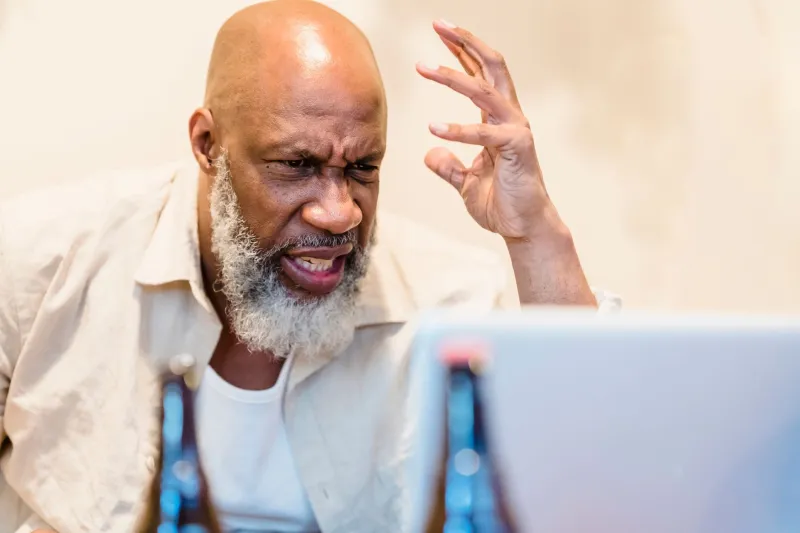
Imagine spending months building an audience, carefully staying within the posted rules of a platform, only to wake up one morning and find that your content has quietly stopped appearing in searches, your follower growth has flatlined, and your income has dropped by sixty percent — with no notification, no explanation, and no clear path to appeal.
For adult game creators operating on mainstream platforms, this isn't a hypothetical. It's Tuesday.
The shadowban — content moderation's most passive-aggressive tool — has become one of the defining experiences of building an adult gaming audience in 2024. And the financial and psychological toll it's taking on independent creators is a story the platforms themselves have very little interest in telling.
The Policy Problem Nobody Will Acknowledge
Twitch, Discord, YouTube, and Steam all maintain content policies that technically permit certain kinds of adult gaming content under specific conditions. In practice, what those conditions actually are — and how they're enforced — is a moving target that shifts without notice and applies inconsistently across creators.
A streamer with a large existing following might get away with content that gets a smaller creator immediately flagged. A game that's been available on Steam for years might suddenly find itself facing removal after a policy review nobody announced. A Discord server that's operated for months within stated guidelines can lose monetization features overnight based on algorithmic flags that nobody at the company will specifically identify.
The opacity is the point, whether intentionally or not. When creators don't know exactly what they did wrong, they can't effectively appeal — and they tend to self-censor far more aggressively than the actual rules would require. The chilling effect is enormous.
Real Creators, Real Losses
The financial impact on independent adult game developers is hard to overstate. For many creators in this space, Patreon integrations, Discord communities, and platform-based discovery are the entire business model. When any piece of that ecosystem gets disrupted by an unexplained moderation action, the downstream effects can be catastrophic.
Creators who've been through shadowban cycles describe a particular kind of financial whiplash: months of steady growth, then a sudden cliff, then weeks of trying to figure out what changed, then the exhausting process of trying to rebuild visibility through workarounds that may themselves trigger additional flags.
Small studios — the kind of one-to-three person operations that produce a significant chunk of the adult gaming content people actually love — are especially vulnerable. They don't have legal teams to parse platform policies or PR contacts to escalate appeals. When the algorithm decides they're invisible, they're invisible.
The irony is that many of these creators are producing content that's far less explicit than what's available through mainstream entertainment channels. The enforcement isn't really about explicitness. It's about category — and adult gaming sits in a category that platforms have decided is too risky to defend publicly, regardless of what their written policies say.
The Demonetization Trap
Separate from shadowbanning, demonetization has become its own specific nightmare for adult game content creators. YouTube's ad-friendly content policies are notoriously vague on where exactly the line falls for gaming content, and creators in this space report having videos demonetized for content that's milder than what appears in mainstream game trailers that run ads without issue.
The appeals process is largely automated, slow, and often results in decisions that make no coherent sense. A creator might successfully appeal a demonetization on one video only to have a nearly identical video flagged the following week. The inconsistency isn't just frustrating — it makes planning a sustainable content business essentially impossible.
Steam has its own version of this problem. The platform's policies around adult content have historically been erratic, with games approved and then later flagged, regional restrictions applied without clear logic, and visibility in search and recommendation systems throttled in ways Valve has never fully explained.
Where Creators Are Actually Going
The good news — and there is some — is that the adult gaming creator community has gotten genuinely creative about building off-platform infrastructure.
Itch.io has become a significant alternative distribution channel, with policies that are more explicit and more consistently applied than Steam's. The platform's direct-sale model also means creators keep a larger share of revenue, which matters a lot when you're a small operation.
Subscribestar and Fanbox have absorbed a significant portion of the creator support that used to flow through more mainstream platforms. They're not perfect, but they're built for this use case in a way that Patreon — which has had its own rounds of adult content policy tightening — increasingly isn't.
Community platforms built specifically for adult gaming audiences, including spaces like F-95 Zone, have become important hubs precisely because they operate with policies that are actually designed around the content rather than retrofitted onto it. When your community platform understands what you're making, you spend a lot less time wondering when the rug is going to get pulled.
The Bigger Picture
What's happening to adult game creators on mainstream platforms is part of a broader pattern of platforms making implicit choices about which kinds of creators they want to host while maintaining the fiction that their policies are neutral and consistently applied.
The creators getting squeezed aren't doing anything wrong. They're operating in a legal content category with a real, enthusiastic audience, building businesses that — in a fairer ecosystem — would be entirely sustainable. The problem is that the platforms they depend on have calculated that adult content is more reputational liability than revenue opportunity, and they're acting accordingly.
Until that calculation changes — or until creator-forward alternatives build enough scale to genuinely compete — adult game developers are going to keep navigating a system that was never really built for them. The ones who survive are the ones who stop waiting for mainstream platforms to treat them fairly and start building somewhere else.